There will be no sales of hatching eggs, chicks or live birds in 2026
Stay Tuned
Flock Refresh Coming Soon!
Our Breeds

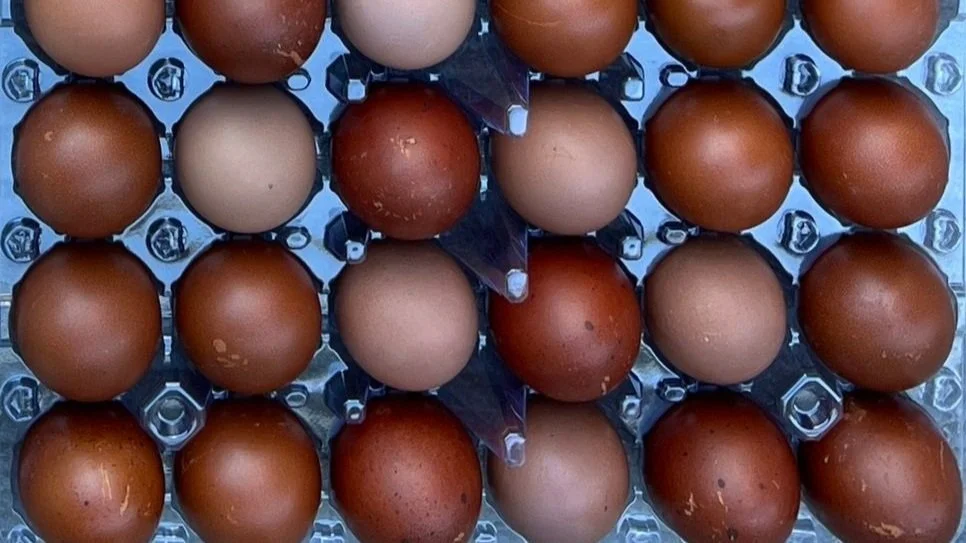
Blue Copper, Black Copper, Splash Copper Marans
We sourced our Marans from breeders who have been selecting for deep, rich egg color as well as the American Poultry Association (APA) Standard of Perfection (SOP). We select for heavy speckling and heavy blooms on the eggs, as well as for temperament. We only use roosters who are perfect gentlemen.
Quick Facts:
Purpose: Dual-Purpose
Production: 200 Large Medium/Dark Brown Eggs per Year
Egg Size: Extra Large
Egg Color: Medium/Dark Brown. Speckles and heavy bloom possible.
Temperament: Docile, Friendly, Easy to Handle
Point of Lay: 22-24 weeks
Mature Weight: 6-7 lbs.
Hardiness: Cold and Heat Hardy
Broodiness: Likely
Comb Type: Single Comb
If you’re planning to show, only the Black Copper variety is recognized by the APA. Common things to watch for as your chicks develop: feather stubs on the middle toes, incorrect number of points on combs. The darkest eggs tend to hatch male chicks with some copper leakage in their chest and pullets without enough copper in their hackles. Select your best matched pair of pullets who complement your best cockerel for breeding pen exhibitions.
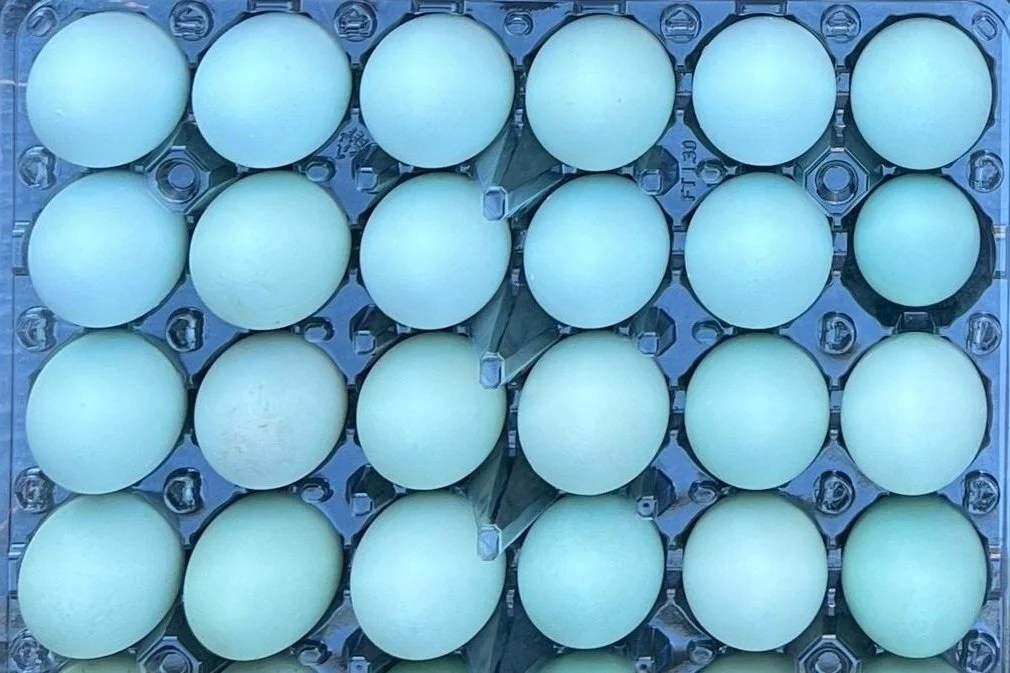

We have blood tested our Legbar flock to be homozygous for the blue egg gene. This ensures all offspring will lay shades of blue eggs. We select for vivid egg color in our Legbars, as well as the proposed SOP. We have a couple of hens who also have speckles and heavy blooms. Our breeding pen consists of Opal and Cream split to opal hens and an Opal rooster. The Opal gene is the same as other lavender (Self Blue) feather colors and is recessive. Chicks could be Opal or Cream splits.
Quick Facts:
Purpose: Egg production
Production: 260 eggs per Year
Egg Size: Large
Egg Color: Blue. Speckles and heavy bloom possible.
Temperament: Active, Independent
Point of Lay: 22-24 weeks
Mature Weight: 4-6 lbs.
Hardiness: Cold and Heat Hardy
Broodiness: Rarely
Comb Type: Single Comb
Legbars are an autosexing breed. This means you can tell roosters and hens apart at the time of hatch, generation after generation.
Cream and Opal Legbars
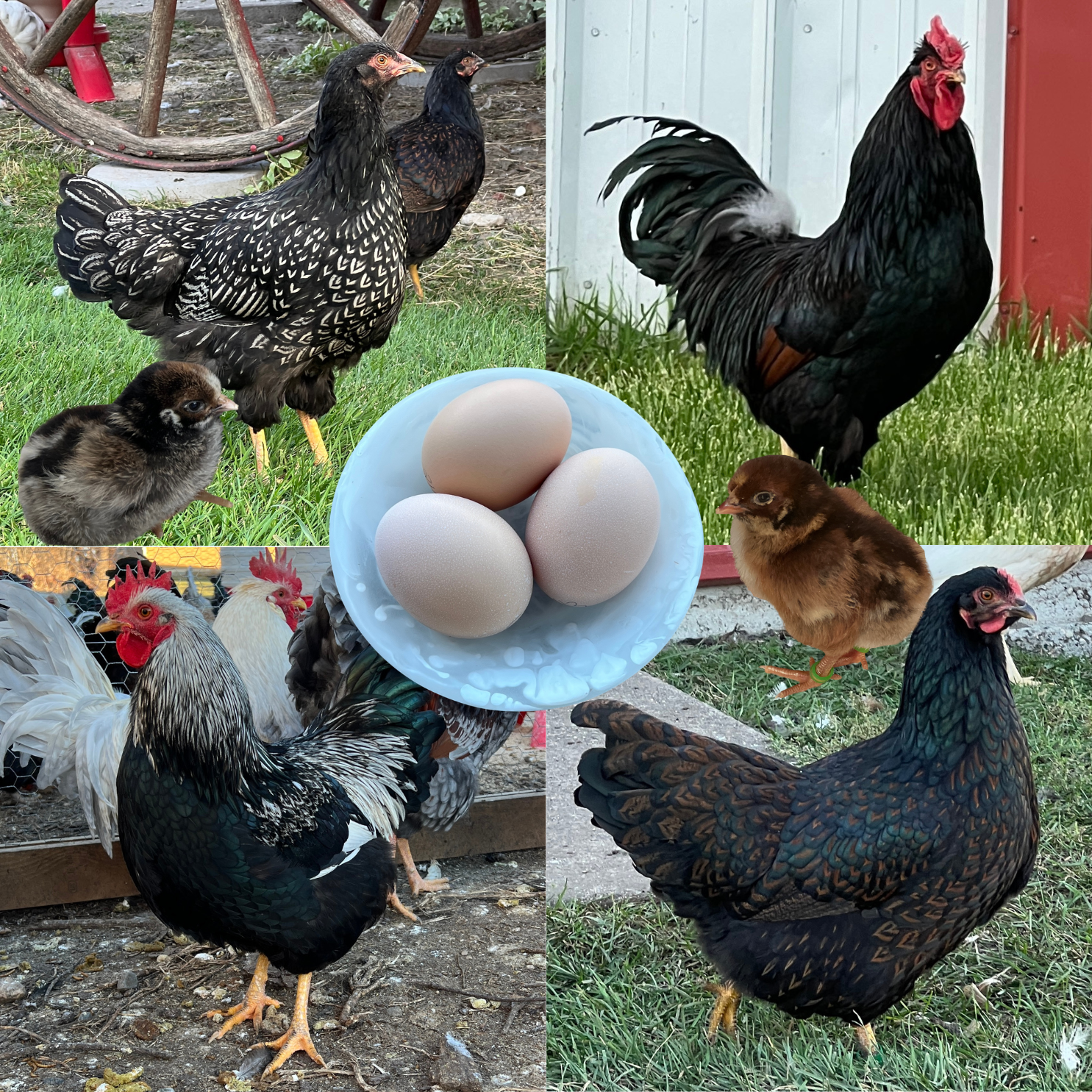
Standard and Silver Barnavelders
We select for egg color, focusing on darker shades, speckles and heavy blooms, as well as the SOP. Barnavelders are a very friendly, docile breed that takes to foraging easily. Their striking double laced pattern makes them stand out in the flock. Barnevelders are medium heavy, dual-purpose birds that are very cold hardy.
Quick Facts:
Purpose: Dual-Purpose
Production: 160 eggs per Year
Egg Size: Large
Egg Color: Medium Brown. Speckles and heavy bloom possible.
Temperament: Docile, Curious, Active, Gentle
Mature Weight: 5-7 lbs.
Point of Lay: 32-36 weeks
Hardiness: Cold and Heat Hardy
Broodiness: Occasionally
Comb Type: Single Comb
If you’re planning to show, only the Standard variety is recognized by the APA. Lacing is extremely difficult to establish and keep clean. It’s easy for the feathers in the tails on hens and chests on roosters to start looking messy if not strictly selected for. You’ll want to grow out a significant number of chicks to ensure there are a few with high quality lacing. Select your best matched pair of pullets who complement your best cockerel for breeding pen exhibitions.

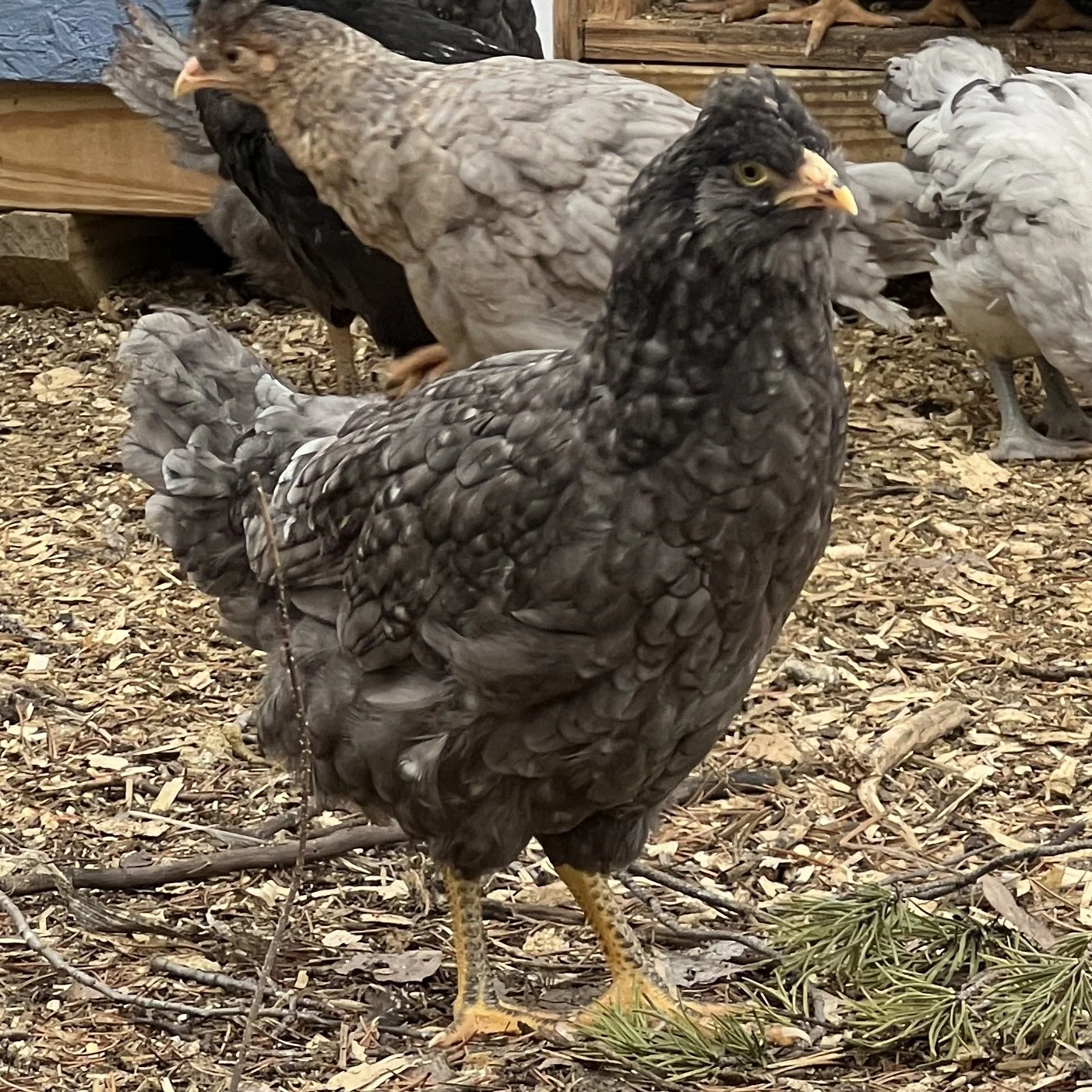
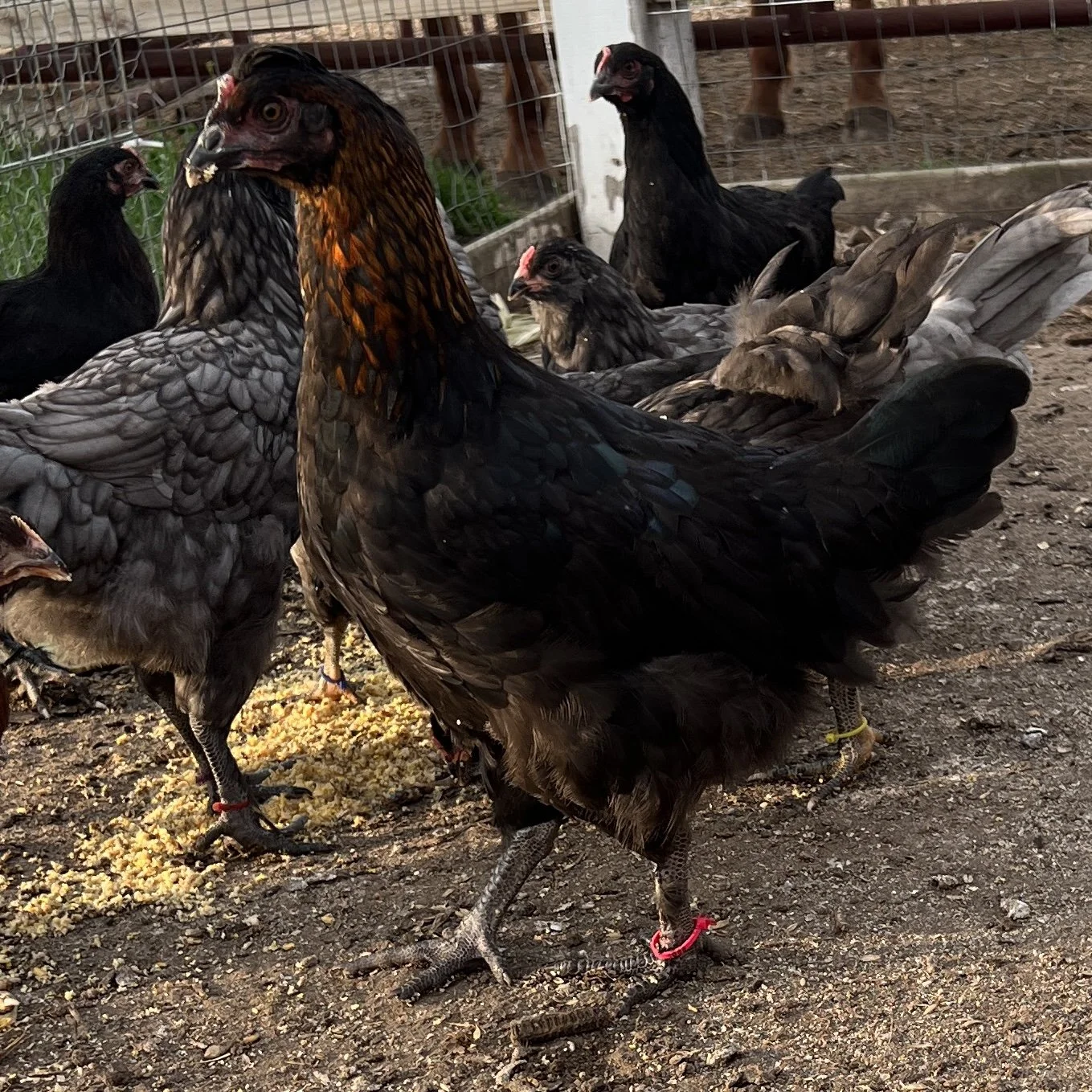
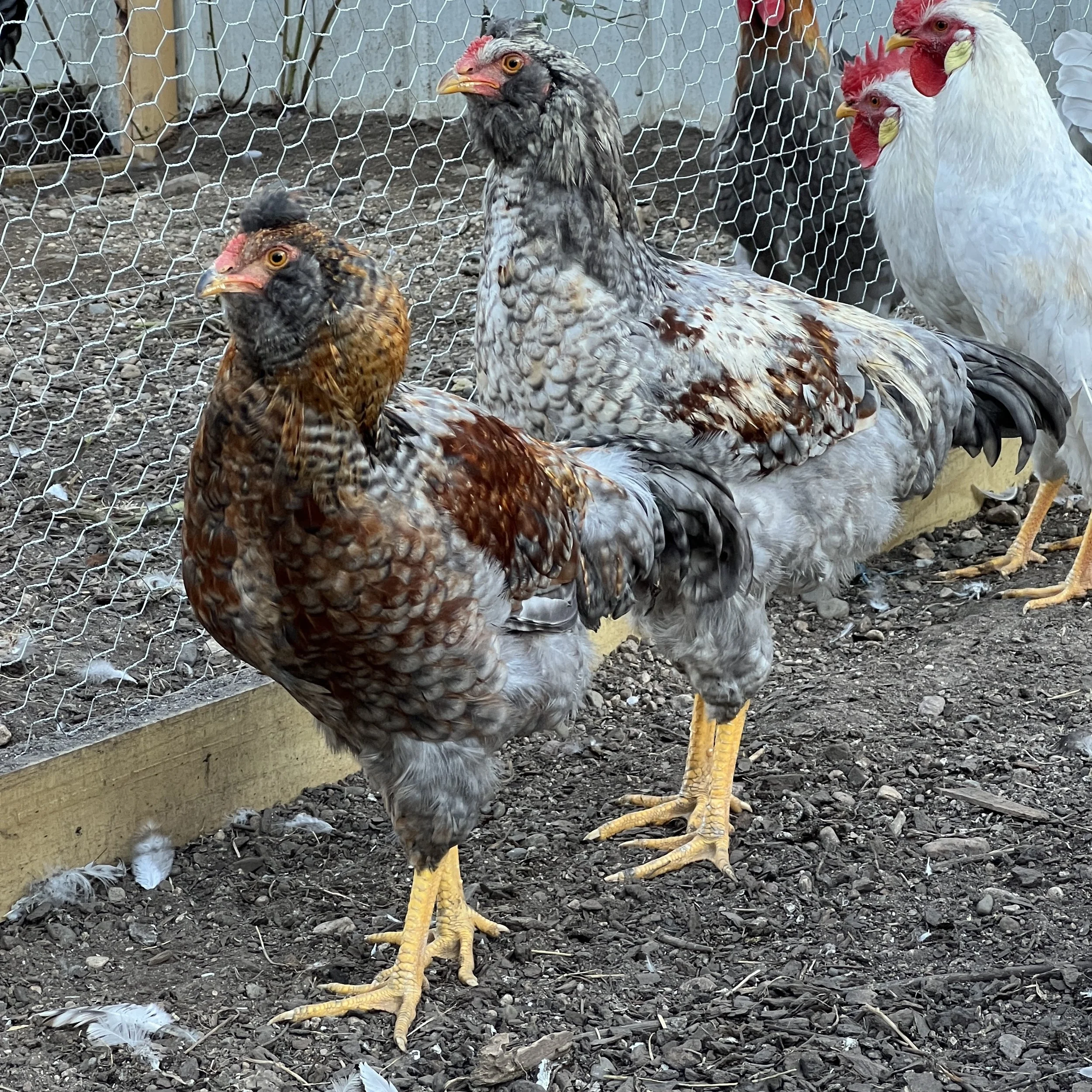
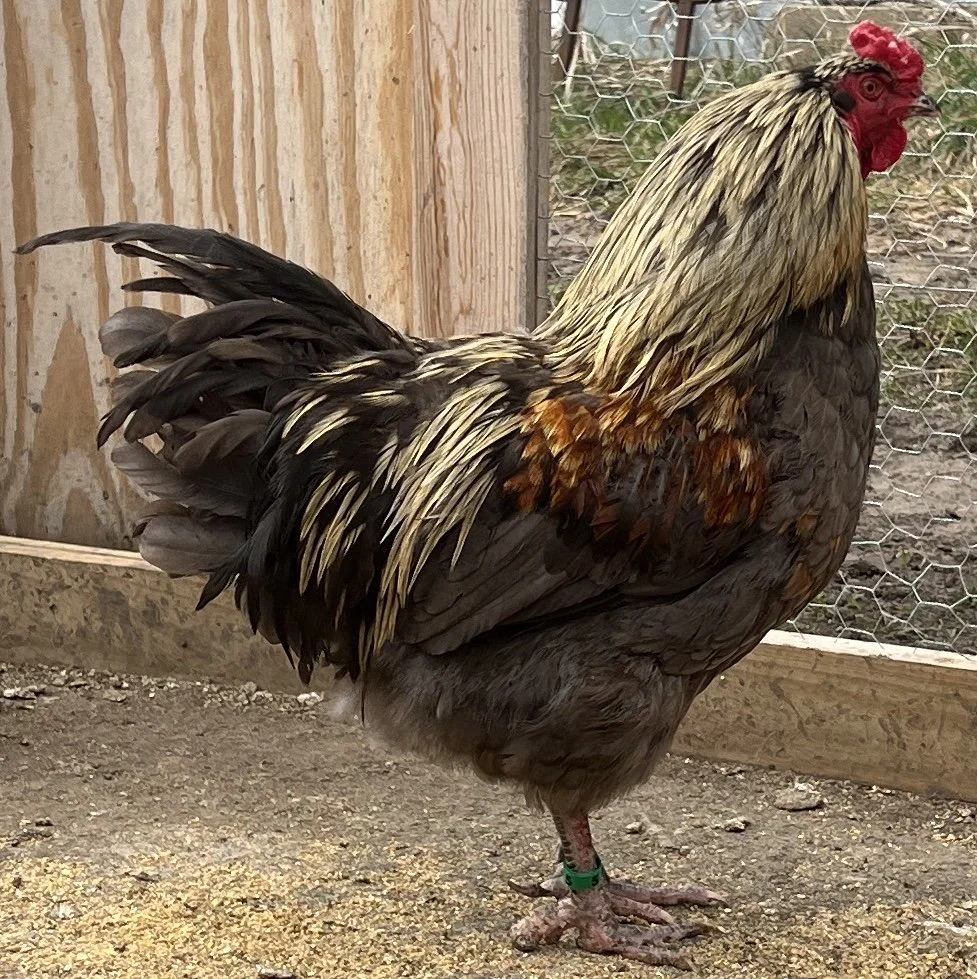
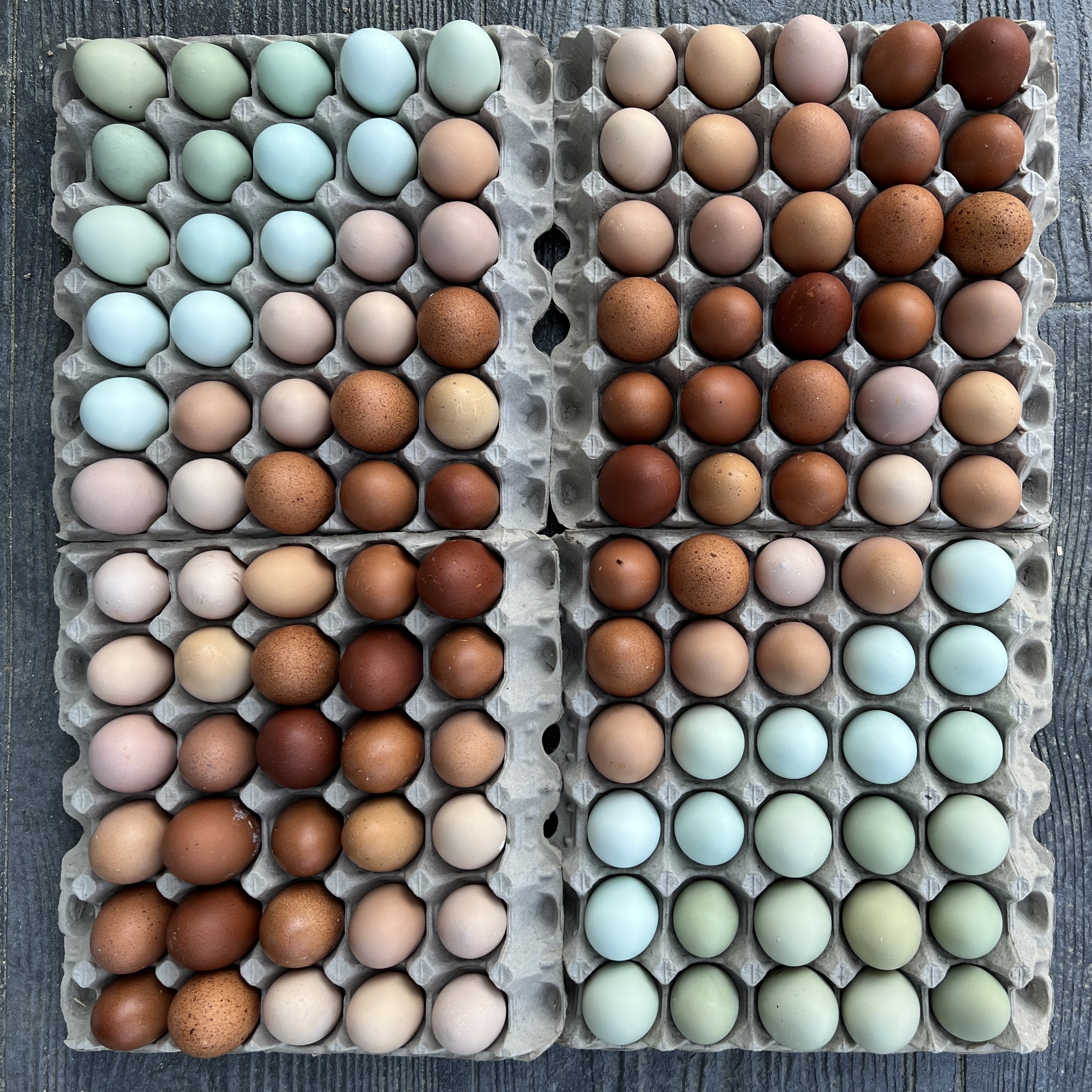
We use a variety of breeds to achieve various rich, vivid egg colors ranging from sage, pistachio, olive, moss, pesto etc. We select for speckles and heavy blooms on our olive eggers. Our birds can be a variety of feather colors and have a combination of any of the following: pea comb, single comb, feathered shanks, extra toes, barring, lacing, fluffy cheeks, beards, and crests. Our back cross pen has a Black Copper Marans rooster over hens who have at least one copy of the blue egg gene, so offspring have a 50/50 chance of laying shades of brown or olive.
Quick Facts:
Purpose: Dual-Purpose
Production: 200 Eggs per Year
Egg Size: Large
Egg Color: Shades of Olive or Medium/Dark Brown. Speckles and heavy bloom possible.
Temperament: Docile, Curious, Active
Mature Weight: 5-7 lbs.
Point of Lay: 26-28 weeks
Hardiness: Cold and Heat Hardy
Broodiness: Often
Comb Type: Single Comb or Pea comb
Multigenerational Easter and Olive Eggers